Have you ever wondered why some people have thick hair and others don’t? Around 30 million women and 50 million men in the U.S. are dealing with hair loss known as androgenetic alopecia. Many are now looking at natural ways to bring back their hair without using chemicals.
Getting results might take more than three weeks, but being consistent can make your hair thicker and healthier. This article talks about how losing hair can feel and shows you the best natural treatments. You’ll learn about lifestyle changes that help your hair grow back and stay healthy.
It covers how hair loss happens and how eating right helps in growing healthy hair. For more details on natural hair growing methods, click here.
Key Takeaways
- Natural remedies can support your efforts to regrow hair.
- Knowing about hair loss can point you to good treatments.
- Eating well is key for keeping your hair healthy.
- Scalp health and good blood flow are important for hair growth.
- Keeping track of your progress can help you stay motivated on your hair journey.
Understanding Hair Loss
Understanding hair loss is key for anyone looking for ways to deal with it. Many factors can cause hair loss, and knowing them helps find the right treatment. Recognizing these factors is the first step towards solving the problem.
The Science Behind Hair Loss
Hair grows in three stages: anagen, catagen, and telogen. Most people lose 50 to 100 hairs a day, which is normal. Most hair grows for 2 to 8 years in the anagen phase.
As we get older, our hair might spend more time in the telogen phase, which makes it thin. Genes also play a big role in hair loss, especially as we age.
Common Causes of Hair Thinning
Different things can make hair thin. These include genes, hormonal changes, and not getting enough nutrients. Stress can cause a lot of hair to rest at the same time, leading to thinning.
Certain health issues like thyroid disease or lupus can lead to losing hair for good. Eating poorly without enough protein or vital vitamins like A, B, C, D, and E also plays a part. Knowing these causes helps in finding the right treatment.
Emotional Impact of Hair Loss
The emotional toll of losing hair can be tough. Many people feel anxious and less confident because of how they look. This can make them avoid social situations or feel embarrassed.
It’s important to address both the mental and physical sides of hair loss. Taking care of both can improve someone’s overall happiness.
Natural Remedies for Hair Regrowth
Looking into natural remedies for better hair growth can be a good choice for those wanting healthier hair. We’ll talk about essential oils, herbs, and supplements that help hair grow.
Essential Oils that Promote Hair Growth
Essential oils have become popular for making hair grow because of their natural benefits. Rosemary oil is one such oil, shown to boost hair numbers with regular use over six months. Geranium oil is also great, as it boosts scalp blood flow, helping hair grow. However, some people might find they get an itchy scalp from these oils.
Herbal Treatments to Consider
Herbal treatments have helped with hair growth for a long time. Aloe vera is soothing and good for the scalp, making it a go-to option. Ginseng also helps wake up hair follicles for fuller hair. Adding these herbs into your routine could help bring your hair back to life.
Nutritional Supplements for Healthy Hair
Nutritional supplements can also help you get the healthy hair you’re aiming for. Viviscal is a top choice that’s proven to help women with thin hair. You need to take two pills a day for six months to see changes. Also, omega fatty acids are essential for better hair density and growth. Lack of Zinc can make your hair weak, so it’s important to keep nutrient levels up.
Diet and Nutrition for Healthy Hair
A nutritious diet plays a big role in hair growth and health. Eating the right foods helps strengthen hair and supports new growth. It’s important to know which nutrients help hair grow and how drinking water keeps your hair healthy.
Foods to Include in Your Diet
Adding a mix of foods to your diet is key for healthy hair. Here are some great options:
- Strawberries, which offer high vitamin C content, crucial for collagen production.
- Spinach, a rich source of vitamins A and C, helps in sebum production.
- Sweet potatoes, packed with beta-carotene, convert to vitamin A beneficial for hair health.
- Avocados, which provide healthy fats and vitamin E, nourish the scalp.
- Almonds and sunflower seeds contribute significantly to daily vitamin E needs.
Nutrients Essential for Hair Growth
Some nutrients are especially good for your hair. These include:
- Zinc: Low levels can lead to hair loss, making it essential for hair follicles’ health.
- Iron: Iron deficiency can lead to hair thinning, especially in women.
- Proteins: Adequate protein intake is necessary, as hair is primarily made of keratin.
- Omega fatty acids: These are important for moisture and strength.
- Biotin: While deficiencies are rare, biotin supports hair growth and overall scalp health.
Hydration and Its Importance
Hydration is crucial for hair health. Drinking enough water keeps hair moist. If you’re not drinking enough, your hair might get dry and brittle. This can stop hair from growing. Drinking enough water makes sure your scalp is healthy, helping your hair to grow strong and shiny.
Home Remedies to Boost Hair Growth
Exploring home remedies for hair growth can be exciting. Many turn to DIY hair masks and scalp massages as affordable ways to help their hair. These methods use easy-to-find ingredients, making them fun and practical to try.
DIY Hair Masks for Nourishment
DIY hair masks can deeply nourish and bring life back to your hair. Ingredients like coconut oil, honey, and egg are popular. For example, coconut oil and honey make a great moisturizing mix, boosting shine and softness.
Adding egg yolks, which are high in protein, helps strengthen hair. This reduces the chance of hair breaking. These homemade masks provide key nutrients for healthy hair and are safe without harsh chemicals.
Scalp Massages and Their Benefits
Scalp massages do more than just relax you. They can greatly improve blood flow to your scalp, possibly leading to more hair growth. Studies show that a short daily scalp massage could make hair thicker over time.
This easy routine might also lower stress, which can help prevent hair loss. So, massaging your scalp can have big benefits.
Interesting Recipes to Try at Home
There are also unique home recipes to explore. For example, onion juice masks are becoming popular for promoting hair growth. The natural compounds in onions can sometimes work better than store-bought hair loss treatments.
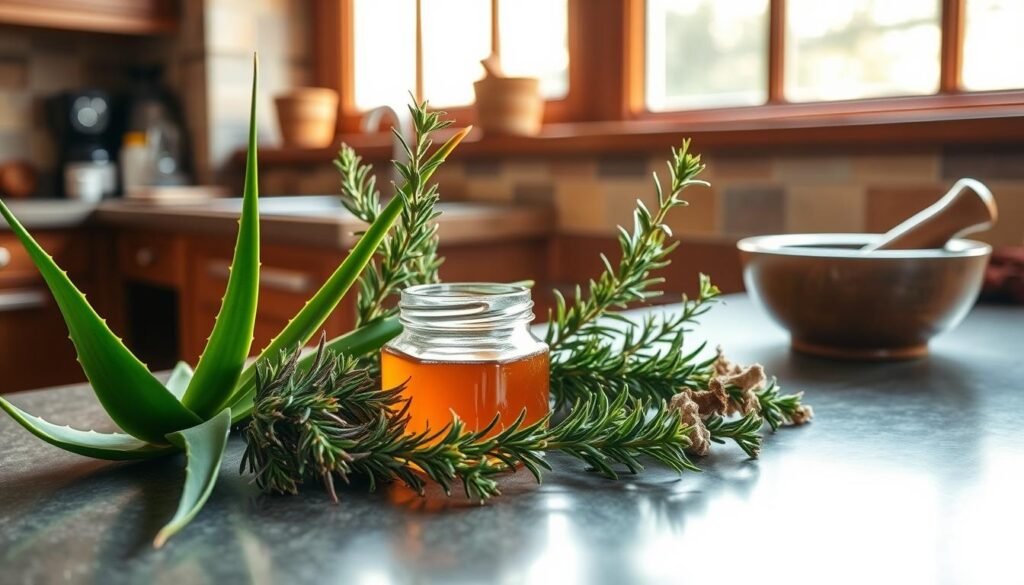
Trying a mix of pumpkin seed oil and rosemary oil can create a healthy scalp environment for hair to grow. These options prove that natural ingredients offer great benefits for hair health.
Lifestyle Changes to Support Hair Regrowth
Specific lifestyle changes can boost hair regrowth, helping fight hair loss. Managing stress, getting enough sleep, and regular exercise are key. Together, they form a solid plan for healthier hair.
Stress Management Techniques
Chronic stress can hurt your hair, causing more to fall out. Yoga, meditation, and mindfulness are good for lowering stress. They help you relax, which is good for your hair health.
Importance of Sleep in Hair Health
Getting enough sleep is vital for your overall health and hair growth. Try to sleep 7–9 hours every night to help your hair. Sleep boosts melatonin, which helps your hair grow. A good night’s sleep sends essential nutrients to your hair, making it healthier.
Regular Exercise for Improved Circulation
Exercise helps get more oxygen and nutrients to your hair. This is because it improves blood flow. Even light exercise can make a big difference in hair growth. It also lowers stress, which can further help with regrowing hair.
| Technique | Benefit |
|---|---|
| Yoga | Reduces stress and promotes relaxation |
| Meditation | Enhances mental clarity and reduces anxiety |
| Adequate Sleep | Improves nutrient delivery to hair follicles |
| Regular Exercise | Boosts circulation and nourishes hair roots |
Over-the-Counter Solutions for Hair Regrowth
Many people looking for hair loss solutions turn to over-the-counter hair treatments. These are easy to use and don’t need a doctor’s note. Minoxidil, also known as Rogaine, is very popular. You can get it as a liquid, foam, or shampoo. It works well, with about 66% of men under 40 seeing hair come back, especially if they just started losing hair.
For women, using minoxidil once a day is advised. Men should use it twice a day. It usually takes six months of use to see big changes.
There are more hair regrowth products besides minoxidil. Finasteride, or Propecia, is a pill for men. It can slow or reverse hair loss. But, it might cause some issues like less desire for sex or a higher chance of prostate cancer. Knowing what’s in these products can help buyers choose wisely. Minoxidil boosts blood flow to hair roots. Finasteride fights DHT, which causes male pattern baldness.
Other options include herbal treatments and serums like Kérastase Extentioniste, Nioxin Hair Fall Defense, and The Rootist Densifying Serum. They’re made to make hair stronger. Still, be aware of side effects of hair care products. Minoxidil might irritate the scalp. Finasteride may lead to unusual sexual side effects, which often go away if you stop taking it.
If picking a treatment feels tough, detailed guides can help. For instance, this guide on over-the-counter hair loss treatments offers great info.
When to Consult a Professional
It’s important to know when to seek expert advice for hair loss for effective management. Spotting certain signs that indicate the need for treatment helps avoid more hair loss. Hair specialists offer key insights into why you’re losing hair and how to treat it.
Signs That You Need Expert Help
Knowing the signs that call for professional help with hair loss is key. These signs can include:
- Rapid thinning or sudden bald patches.
- Scalp issues such as scalp irritation or unusual itching.
- Unusual changes in hair texture or shedding more than 100 hairs a day.
- A family history of hair loss, indicating genetic causes.
What to Expect During a Consultation
A hair specialist will give your hair and scalp a thorough check during a consultation. Expect to:
- Discuss your medical history and lifestyle habits that affect hair health.
- Get a physical exam of your scalp and hair to pinpoint issues.
- Undergo possible tests to uncover vitamin deficiencies or other health concerns.
Treatment Options from Specialists
There are various effective treatments for hair loss, depending on individual needs. Common treatments include:
| Treatment | Details | Expected Results Timeline |
|---|---|---|
| Corticosteroid Injections | Used for patchy alopecia areata; regrowth seen in 12 weeks for many. | 1-3 months |
| Minoxidil (Rogaine®) | Topical application effective for various hair loss types. | 6-12 months |
| Oral Finasteride (Propecia®) | For men; may slow hair loss and stimulate growth. | 4-12 months |
| Platelet-Rich Plasma (PRP) Therapy | Monthly sessions yield significant improvement for many. | 3 months for initial results |
| Laser Hair Combing | Non-invasive method reported to enhance hair thickness. | 26 weeks for noticeable effects |
Success Stories: Real People, Real Results
Success stories are a big help for those fighting hair loss. They show how others have beaten their hair challenges using natural or professional help. These true stories give people hope and prove that good results are really possible.
Inspiring Journeys of Hair Regrowth
Many have told their hair regrowth success stories, showing how sticking to a treatment can change things. Leo, for instance, saw big differences in six months and even more after a year. Stories like his give hope to others that hard work can pay off.
Testimonials on Natural Methods
There are lots of testimonials on natural hair regrowth praising a mix of diet, oils, and approved products. Traya combines Ayurveda, Allopathy, and Food Science, tackling hair loss from all sides. This offers a full plan for people wanting to get back their healthy hair.
Before and After Transformations
Seeing is believing when it comes to hair growth. That’s why many share their before and after hair transformation pictures. They clearly show what you can achieve. Traya’s study shows 93% of its users see results in five months. And with plans starting at Rs 1,699 a month, it’s easy for many to try.

| Transformation | Timeframe | Success Rate |
|---|---|---|
| Manual’s treatment | 3 to 6 months | 90% satisfaction |
| Traya treatment | 5 months | 93% results |
| Finasteride + Minoxidil | 3 to 6 months | 90% in clinical trials |
Success stories can really make you want to take care of your hair. Trying natural methods could lead to the amazing changes you’ve seen in others. With these stories of hard work paying off, you might feel ready to start your own path to healthier hair.
Maintaining Hair Health Post-Regrowth
Once your hair starts growing back, it’s important to keep taking good care of it. You should follow hair care tips that keep your hair looking healthy and strong. Avoiding heat damage and choosing gentle products helps a lot. Starting these habits now means having healthier hair for life.
Tips for Long-Term Hair Care
For healthy hair, wash it at least two times a week to avoid dryness. Eat protein-rich foods like eggs, avocados, and leafy greens to make your hair stronger. Using conditioner often adds moisture and makes hair easier to manage.
Recommended Hair Care Products
Finding the right products is key for healthy hair. Choose sulfate-free shampoos and conditioners to keep your hair vibrant without losing essential oils. SheaMoisture and Aveda have great products for all hair types. They help with both regrowth and keeping hair healthy.
Establishing a Healthy Hair Routine
Having a routine is important for hair regrowth success. Regular trims and eating well help keep your hair in top shape. A routine improves hair quality and looks. Treatments like PRP therapy offer extra help, showing effort in maintaining hair health.
FAQ
What are the best natural remedies for hair regrowth?
How can dietary changes impact hair health?
What lifestyle changes can help with hair loss?
Which over-the-counter products are effective for hair regrowth?
When should someone consult a professional regarding hair loss?
Can home remedies really promote hair growth?
What role does hydration play in hair health?
Are there any side effects associated with hair regrowth products?
How can I maintain hair health after regrowth?
Source Links
- Is Your Hair Thinning? Try These 9 Remedies
- Can I Regrow Hair Naturally? – Harley Street HTC
- How To Regrow Hair On Bald Spot: Treatments, Coping, & More
- Treating Hair Loss
- The Basics of Hair Loss
- Understanding Hair Loss: Causes and Effective Treatments
- How to regrow hair naturally
- 10 Tips to Naturally Regrow Your Hair in 2024
- Best Foods for Hair Growth: What to Eat, Drink & Avoid
- Diet and hair loss: effects of nutrient deficiency and supplement use
- The best home remedies for hair growth
- Home Remedies for Hair Growth: Natural Solutions for Healthy Hair
- How To Make Your Hair Grow Faster: Tips for Healthy Growth
- 12 Hair Growth Tips to Stimulate Thicker Locks
- Hair loss – Diagnosis and treatment
- Treatments for Thinning Hair: Do They Work?
- Is Your Hair Thinning? These 3 Editor-Tested Hair Growth Serums Delivered Impressive Results
- Hair loss: Diagnosis and treatment
- Wimpole Hair Transplant Clinic
- Medication for Hair Loss
- Traya’s Success Stories of Hair Regrowth Naturally
- Success Story: Leo’s Hair Regrowth
- Hair Loss and Thinning Hair Treatment Options
- How to Maintain Hair Growth After 50