Have you ever wondered why so many people in the U.S. lose their hair? It’s a problem affecting over 50 million men and 30 million women here. The key to tackling hair loss lies in understanding its causes and knowing the various ways to fight it. From medical treatments to natural remedies and changes in lifestyle, there’s a range of methods that can help. This piece will guide you through these options, highlighting solutions that work for immediate and long-term health.
Key Takeaways
- Each person loses an average of 50 to 100 hairs daily, but washing may exacerbate this to 150.
- Daily scalp massages can contribute to hair regrowth, with over 65% of participants noting benefits.
- Nutritional deficiencies can play a significant role in hair loss, particularly low iron and protein levels.
- Medications like minoxidil and finasteride offer notable results, with many users seeing improvements within months.
- Natural techniques paired with medical options can maximize hair restoration efforts.
Understanding Hair Loss: Causes and Types
Hair loss happens for a lot of reasons and comes in many forms. Knowing the causes of hair loss helps us deal with it better. Things like our genes, where we are, health issues, and how we live play big roles. Let’s look at the main hair loss types and what causes them.
Genetic Factors
Genes are a big reason why people lose hair. For many men, hair loss comes slowly as they age, a condition known as male-pattern baldness. For women, it’s a bit different. It usually starts with their part getting wider. And they see more hair thinning, especially on top of their head. Our genes decide a lot about if, when, and how we might lose hair.
Environmental Influences
Our environment can also make hair loss worse. Bad air, strong chemicals in hair stuff, and the sun’s rays can hurt our hair roots. That leads to more hair falling out. Hairstyles that pull tight can damage hair too. This damage, known as traction alopecia, happens when styles like ponytails pull on the hair a lot.
Medical Conditions
Having certain health issues can affect how your hair looks and feels. Things like thyroid problems, lupus, and alopecia areata—a disease where hair falls out in patches—are to blame sometimes. Also, big weight changes or staying sick for a long time can make hair loss more likely. This shows how health problems can cause different types of hair loss.
Lifestyle Choices
What we do every day can impact our hair too. Eating poorly, not handling stress, and certain hairstyles can all cause hair to fall out. Smoking is linked to more hair loss in men. This highlights how our daily choices affect whether we keep our hair or not.
| Type of Hair Loss | Symptoms | Common Causes |
|---|---|---|
| Male-pattern Baldness | Gradual thinning, receding hairline | Hereditary factors |
| Female-pattern Baldness | Widening part, overall thinning | Genetic predisposition |
| Alopecia Areata | Patchy hair loss | Autoimmune disorders |
| Traction Alopecia | Local hair loss, often at hairline | Tight hairstyles |
| Telogen Effluvium | Diffused thinning | Stress, medical events |
| Cicatricial Alopecia | Permanent hair loss | Scarring of hair follicles |
Popular Hair Loss Treatments
Hair loss can be addressed with several effective treatments. Minoxidil, finasteride, and hair transplant surgery are popular choices. Each has its own way of working, benefits, and things to think about.
Minoxidil: An Over-the-Counter Option
Minoxidil is also known as Rogaine you can buy it without a prescription. It’s a liquid you put on your scalp to help grow hair and is good for people with pattern baldness. Most folks see results after using it every day for six months. But, it might irritate your scalp or cause hair to grow where you don’t want it.
Finasteride: Prescription Solutions
Finasteride, or Propecia, is a pill that doctors prescribe. It stops the hormone that can cause hair loss, helping many men keep their hair. Some even grow new hair. But, it’s not for women and may not help men over 60 as much. A few men might want sex less or have a higher chance of getting prostate cancer.
Hair Transplant Surgery
Hair transplant surgery moves hair to where it’s needed more. It’s a big procedure that can really help but might hurt and takes time to heal. You might need to do it more than once to get the best results. Insurance usually doesn’t pay for this surgery.
Natural Remedies for Hair Loss
More and more people are choosing natural ways to address hair loss. They look for options that support healthy hair growth and scalp wellness. Along with topical solutions, getting the right vitamins and minerals through supplements is essential for hair follicle health.
Essential Oils for Regrowth
Rosemary, peppermint, and lavender essential oils are popular for encouraging hair to grow back. Studies in 2020 show that rosemary oil could stop hair loss and spark new growth. This makes it a natural pick over chemical treatments. A 2015 study found rosemary oil might work as well as minoxidil in treating hair loss, giving a great natural choice to those who need it.
Nutritional Supplements
Supplements are powerful allies in the fight against hair loss. Biotin and zinc, for instance, are key for hair strength and growth. You need to take supplements like Viviscal for a few months before seeing benefits, but they can really help. Omega fatty acids could make your hair thicker and fuller, and pumpkin seed oil has been shown to increase hair count significantly.
Homeopathic Approaches
Homeopathic treatments aim for overall wellbeing to tackle hair loss. Remedies like onion juice are proven to boost hair growth by improving keratin. Ginseng, with its ginsenosides, may wake up hair follicles. While results might vary, combining different natural remedies could enhance hair health.
For more tips on getting your hair back to good health, check out this resource.
Lifestyle Changes to Combat Hair Loss
Making thoughtful lifestyle changes is key to fighting hair loss. Focusing on your diet, managing stress, and exercising can greatly improve hair health. These changes make hair growth treatments work better.
Diet Adjustments for Healthier Hair
Eating right is crucial for keeping your hair healthy. Not getting enough protein and amino acids can lead to hair loss. Include more protein-rich foods like fish, eggs, and beans in your diet.
Following a Mediterranean diet helps too, especially for men. It’s full of fruits, veggies, and healthy fats. It can reduce the chance of developing common hair loss issues. Vital nutrients like iron and vitamin D from your diet support hair roots and prevent thinning.
Stress Management Techniques
Too much stress can harm your hair. Using stress-reduction methods like meditation and yoga can lessen hair loss. Keeping your mind healthy supports your hair too.
Regularly taking time for yourself or enjoying hobbies helps. It leads to better hair thickness and energy. These activities are good for your hair and mind.
Regular Exercise Benefits
Adding exercise to your day can boost your overall and hair health. It helps by increasing blood flow to your hair roots. This delivers the needed nutrients for more hair growth.
Exercise mixes well with other hair care strategies, improving them. For the best health, include both aerobic and strength exercises. This keeps you and your hair in the best shape.
| Dietary Components | Benefits for Hair |
|---|---|
| Protein-rich foods | Supports hair structure and growth |
| Omega-3 fatty acids | Promotes scalp health and reduces inflammation |
| Vitamins A, C, D, and E | Necessary for optimal hair follicle function |
| Iron-rich foods | Prevents hair loss related to iron deficiency anemia |
Innovative Technologies in Hair Restoration
The world of hair restoration has changed a lot with new tech aimed at better hair loss treatments. Now, people looking for good solutions can find many options. These options help grow hair and make it thicker.
Laser Therapy
Laser therapy uses low-level lasers approved by the FDA to help hair grow back. It’s a gentle way to make hair follicles healthier, so new hair can grow. Many people have had great results from it, making it popular for use with other treatments.
Platelet-Rich Plasma (PRP) Treatment
PRP hair treatment works by using a concentrate of platelets from your blood and putting it back into your scalp. The goal is to wake up sleeping hair follicles and make hair grow better. New techniques in PRP let doctors tailor the treatment more specifically, which makes it work better.
As PRP becomes more well-known, more folks are trying it with other hair loss treatments. They hope for the best results possible.
Choosing the Right Hair Loss Solution
Finding the right hair loss treatment needs careful thought and advice from experts. Talking to a dermatologist is key for those looking for effective solutions. They’ll consider your medical history and goals to suggest the best treatment for you.
Consultation with a Dermatologist
Seeing a dermatologist can give you valuable insights into treatments. They check your hair and scalp to see if you need non-surgical or surgical treatments. Non-surgical methods work best early on, while surgeries like Follicular Unit Extraction (FUE) help with more serious hair loss.
Personalizing Your Treatment Plan
Making your own hair loss plan combines medications, changes in lifestyle, and possibly some advanced treatments. FUE surgery is less invasive and has a quick recovery. It takes a few hours and won’t disrupt your day much. Your plan will look at how much hair you’ve lost, your aesthetic goals, and your budget.
Balancing Effectiveness and Cost
Choosing a hair loss treatment means looking at both effectiveness and cost. Surgical options cost more upfront but give lasting results. Non-surgical treatments might be cheaper at first but need ongoing expenses. You have to think about these things to make a choice that fits your situation.
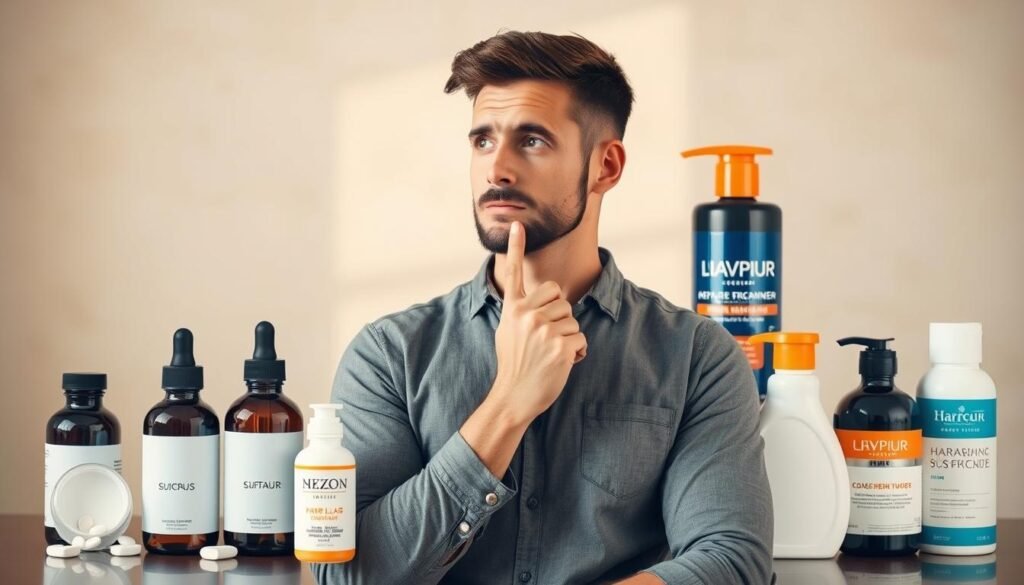
| Treatment Type | Effectiveness | Typical Costs | Recovery Time |
|---|---|---|---|
| Topical Medications (e.g., Minoxidil) | Moderate | $30-$50/month | None |
| Oral Medications (e.g., Finasteride) | High | $30-$100/month | None |
| Platelet-Rich Plasma (PRP) | Variable | $1,500-$3,500 per session | Minimal |
| Follicular Unit Extraction (FUE) | Very High | $4,000-$15,000 | 1-2 weeks |
Talking with a hair loss expert is vital for going through these options and creating a plan that balances what works and what it costs.
Hair Care Practices to Prevent Further Loss
Good hair care is key to stopping hair loss and keeping hair healthy. It includes using gentle washing methods, picking suitable products, and doing scalp massages. These steps help your hair stay healthy and might even help it grow back.
Gentle Washing Techniques
Being gentle when you wash your hair is important. It helps avoid damage and breakage. You should not use very hot water, and try shampoos without sulfates. This way, you keep your hair strong and ready for growth.
Choosing the Right Products
Choosing the right products helps fight hair loss. Look for shampoos and conditioners without sulfates or parabens. Ones with biotin and vitamin E are great for hair strength. Pick products that match your hair type for the best care.
Scalp Massage Benefits
Scalp massages are great for your hair. They improve blood flow to your hair roots and make you feel relaxed. Doing them regularly can nourish your scalp and help hair grow. Adding this simple step to your care routine is a big help.
Psychological Impact of Hair Loss
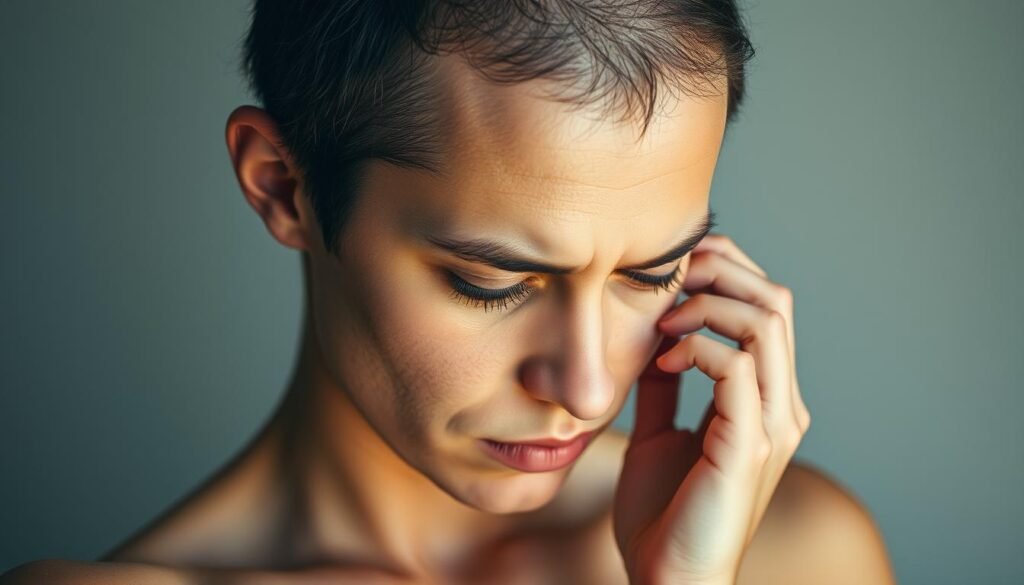
Hair loss affects many people’s confidence and self-esteem. About half the population will face hair loss at some point. This can lead to emotional issues like anxiety, depression, and avoiding social interactions. It’s key to get support to deal with these feelings.
Building Confidence and Self-Esteem
Loss of hair can shake a person’s confidence, especially with society’s beauty standards. It can make someone feel embarrassed or less valuable. Finding help through counseling or support groups can help you deal with these feelings. These groups offer a way to connect with others facing the same issues, which helps heal and accept oneself.
Support Groups and Counseling
There are many ways to find support when dealing with hair loss. Online forums, local groups, and counseling can provide emotional support. Research shows that those who seek out support tend to cope better mentally. You can find resources like counseling and support networks online, helping understand the emotional side of hair loss.
Tackling hair loss’s emotional side is vital for self-confidence and overcoming challenges. Being part of a support group can improve one’s emotional health and help regain self-esteem during this change.
Hair Loss Myths Debunked
Knowing the truth about hair loss myths helps people choose the right treatment. Many believe incorrect things about hair loss, leading to confusion. For instance, some think it’s all about genes or that washing your hair too much is bad. Yet, the real facts show it’s more complicated.
Common Misconceptions
- Myth: Cutting hair promotes faster growth.
- Myth: Hair loss only affects men.
- Myth: Stress alone causes permanent hair loss.
- Myth: Washing hair too often leads to hair loss.
- Myth: High testosterone levels directly cause hair loss.
These misconceptions about hair loss ignore many factors that contribute to it. People often think reducing stress or changing how often they wash their hair will fix it. But that’s not how it usually works.
What Science Says
Studies show there are many causes of hair loss. In the U.S., about 50 million men and 30 million women suffer from it. Genetics, hormones, and even the seasons can affect your hair. About 70% of men with baldness inherited it, and 40% of men will notice loss by 35. Women also face thinning hair, with 1 in 4 affected by age 50. While stress can cause temporary hair shedding, it does not lead to lasting loss like androgenetic alopecia does.
Future of Hair Loss Treatments
The world of hair loss treatments is changing fast. There are new options that might change how people deal with losing hair. Thanks to progress in understanding genes and new technology, we can look forward to treatments for problems we couldn’t fix before. Everyone who is losing their hair might have a reason to be hopeful.
Advances in Research
Recent research shows promise in new treatments like Olumiant. This drug has helped people grow back hair in studies. It got the green light from the U.S. FDA in 2022, marking a big step forward. As scientists learn more about what causes hair to grow, we might see even better treatments soon.
Potential Breakthroughs on the Horizon
New treatments like miR-205 and AMP-303 could change the game for hair regrowth. They’ve already shown good results, like making hair thicker quickly. With more people wanting effective treatments, staying updated on these breakthroughs is key. For those looking to get their hair back, the future is looking up. Want more info on helping hair grow? Check out this comprehensive guide.
FAQ
What are the most common causes of hair loss?
What are the best treatments for hair loss?
Are there natural remedies for hair loss?
How can lifestyle changes help prevent hair loss?
How can I find a hair loss clinic near me?
What are the psychological effects of hair loss?
Are hair transplant surgeries effective?
What hair growth products are recommended?
What are some common myths about hair loss?
What new advancements are being researched for hair loss treatments?
Source Links
- Remedies for Hair Loss
- Hair loss: Diagnosis and treatment
- Hair loss – Symptoms and causes
- Types of Hair Loss
- Hair loss – Diagnosis and treatment
- Hair Loss and Thinning Hair Treatment Options
- 10 Tips to Naturally Regrow Your Hair in 2024
- The best home remedies for hair growth
- Best ways to stop hair loss
- What you can—and can’t—do to stop hair loss
- Is Your Hair Thinning? Try These 9 Remedies
- Innovations in Hair Restoration (2024 Updates) (2024 Updates)
- Cutting-Edge Hair Restoration Techniques in 2025 | BioInformant
- The Future of Hair Restoration – 10 Breakthrough Technologies
- What Hair Loss Solution Is Right for Me? | Ann Arbor
- Is There a Treatment For Hair Loss?
- Guide to Hair Loss Therapies | Advanced Hair
- Lifestyle Factors and Hair Health: Tips to Prevent Hair Loss
- Advice From the Experts on Hair Care and Hair Loss Prevention
- Hair Loss Prevention: 22 Tips to Help Save Your Hair
- Psychological effects of hair loss
- Psychology of Hair Loss Patients and Importance of Counseling
- The psychological consequences of androgenetic alopecia: A systematic review
- Jesse E Smith, MD, FACS
- 10 Myths and Truths about Hair Loss
- 11 Myths About Hair Loss It’s Time to Stop Believing | Keeps
- Could we see a new dawn for hair loss treatments?
- Promising New Hair Loss Treatment Using MicroRNA May Soon Be Available
- UC Irvine Scientist’s Breakthrough Study Reveals New Hope for Hair Loss Treatment – Charlie Dunlop School of Biological Sciences