Ever wonder why some folks have a full hairline and others don’t? Many people deal with hair loss and thinning. But, growing your hair back is possible. To regain that confidence and look better, it’s critical to know about treatments that work.
In this article, we’ll go over scientific ways to get your hairline back. From natural remedies and diet changes to medical help and changing your lifestyle. Our goal is to give you a detailed guide. This guide is for those looking for answers to their hair loss problems. Let’s learn how to fight hair loss and get a thicker head of hair!
Key Takeaways
- Approximately 40% of users find success with topical treatments like minoxidil.
- Regular scalp massages can stimulate hair follicles, potentially leading to thicker hair.
- A balanced diet rich in antioxidants is crucial for healthier hair growth.
- Both men and women can experience significant hair loss, with effective treatments available for all hair types.
- Stress management may play an important role in preventing further hair loss.
- Effective solutions range from natural methods to advanced medical procedures.
- Understanding the underlying causes of hair loss is key to finding appropriate treatments.
Understanding Hair Loss and Hairlines
Hair loss can be puzzling, leaving many wondering why their hair is getting thinner. It’s important to understand why your hairline might be receding. Lots of factors can cause hair loss in both men and women. This includes genes, stress, hormone changes, and even how you live your life. These things can affect how thick your hair is and its health.
Common Causes of Hairline Recession
Genes and your environment play a big role in hairline recession. Androgenetic alopecia is a common type that hits about half of us. If baldness runs in your family, your chances of losing hair go up. Stress, not eating well, and some hairstyles can also harm your hair.
Types of Hair Loss
There are different ways hair loss shows up, so it’s key to know these types. Men often see their hairline go back and thin on top. Women might notice thinning where they part their hair. Stress or sickness can lead to telogen effluvium, a type that causes quick hair loss. Knowing what kind of hair loss you have helps find the right treatment.
When to Seek Professional Help
If your hair loss is sudden or you can’t explain it, it’s time to see a professional. This is especially true if your scalp feels irritated. A healthcare provider can suggest changes to your routine or treatments like finasteride and minoxidil. Getting help early can make treatments work better and keep your hair healthy.
Effective Natural Remedies for Hair Growth
Looking for natural ways to boost hair growth gives people options besides just medical treatments. Many seek safe and effective remedies for a receding hairline. Let’s talk about essential oils, supplements, and herbal solutions that can help hair grow back.
Essential Oils for Hair Regrowth
Essential oils are getting popular for hair growth. Oils like rosemary and peppermint are promising according to research. Studies show rosemary oil might work as well as minoxidil to increase hair count in six months. Peppermint oil can boost scalp circulation, aiding in healthier hair. Using these oils with daily scalp massages can be very beneficial.
Nutritional Supplements to Consider
Add supplements to your diet to improve hair health. biotin and folic acid are recommended for better hair growth. Viviscal needs six months of use, taking two pills daily, to see big results. Omega-3s and antioxidants also help make hair fuller, so consider them for your hair growth plan.
Herbal Treatments
Herbal remedies are trusted for their healing effects. Ginseng, for instance, boosts the hair’s growth phase. Saw palmetto may decrease hair loss and increase hair volume. Using them regularly can make hair noticeably thicker, especially on the scalp’s top. Natural treatments like these can be a solid way to deal with hair loss.
| Treatment | Key Benefits | Usage |
|---|---|---|
| Rosemary Oil | Stimulates hair growth, comparable to minoxidil | Massage into scalp daily |
| Biotin Supplements | Enhances hair health and growth | Take as directed, typically two daily |
| Saw Palmetto | Reduces hair fallout and increases hair density | Daily oral supplementation recommended |
| Ginseng | Stimulates hair growth phases | Use in extract or supplement form |
Using these natural remedies can really help with hair loss. Adding lifestyle changes makes the treatment even better. For more tips and advice, check out additional resources here.
The Role of Diet in Hair Restoration
Nutrition is key to keeping hair healthy and fixing hair loss. About half of all people will face pattern hair loss by 50. Eating well, with foods that promote hair growth, can help a lot. The right nutrients not only help hair roots but also reduce losing hair.
Foods that Promote Hair Growth
Adding certain foods that promote hair growth to your diet can help your hair a lot. Some of these foods are:
- Eggs: Rich in protein and biotin, essential for hair strength.
- Spinach: Loaded with iron, folate, and vitamins A and C.
- Salmon: A great source of omega-3 fatty acids, protein, and vitamin D.
- Nuts and seeds: Rich in vitamin E and healthy fats.
- Sweet potatoes: High in beta-carotene, which turns into vitamin A.
These foods are good for both your health and your hair. For instance, eating salmon often helps get enough protein and essential fats. Looking into these diet tips may offer extra help.
Vitamins and Minerals Essential for Hair
To keep hair healthy, you need certain vitamins and minerals for hair. Important ones include:
- Vitamin D: Helps hair follicles grow.
- Zinc: Its lack can cause hair loss, so it’s key for hair to come back.
- Iron: The most common lack of nutrients worldwide, especially in young women.
- Biotin and B-vitamins: Important for hair because they help break down protein.
Getting these vitamins helps your hair become thicker and healthier. Low zinc levels are linked to hair loss, showing how vital it is.
Creating a Balanced Meal Plan
Building a healthy meal plan for hair restoration means including many essential nutrients. You should eat colorful veggies, lean proteins, and good fats. Here’s an idea for what to eat:
| Meal | Components |
|---|---|
| Breakfast | Omelet with spinach, tomatoes, and feta cheese. |
| Lunch | Quinoa salad with chickpeas, bell peppers, and a lemon vinaigrette. |
| Dinner | Baked salmon with sweet potato and steamed broccoli. |
| Snacks | Greek yogurt topped with berries and a sprinkle of flaxseeds. |
This meal plan makes sure you get all the vitamins and nutrients you need for healthy hair.
Medical Treatments for Hairline Regrowth
Many people with hair loss find medical treatments helpful. Topical solutions and prescription meds can boost hair density and look. Learning about these choices helps people pick the best path for hair regrowth.
Topical Solutions: Minoxidil and More
Minoxidil is a key ingredient in hair loss topical treatments. It works for male and female pattern hair loss, alopecia areata, and more. Dermatologists pick between 2% and 5% strengths based on the situation. While using minoxidil, some see more hair fall at first, but improvements come in 4 to 12 months.
Dermatologists check progress after six months with hair counts and photos. Minoxidil’s success in hairline regrowth has made it a reliable choice.
Prescription Medications: Finasteride Explained
Finasteride targets men’s male pattern hair loss as a daily pill. It cuts down dihydrotestosterone (DHT), which causes hair loss. Changes may show after six months to a year. Doctors check if the treatment works at this point.
Finasteride is a big player in hair restoration meds, often used with minoxidil.
Platelet-Rich Plasma (PRP) Therapy
PRP therapy offers a fresh option for hair restoration. It uses the patient’s blood, processed to enrich platelets, and injects it into the scalp. PRP’s growth factors encourage hair growth and health.
PRP therapy is a non-surgical choice that could be paired with other treatments. It has improved hair fullness and scalp condition for many users.
| Treatment Type | Mechanism | Usage Frequency | Expected Timeframe for Results |
|---|---|---|---|
| Minoxidil | Stimulates hair follicles | Twice daily | 4 to 12 months for visible effects |
| Finasteride | Reduces DHT levels | Once daily | 4 to 12 months for noticeable improvement |
| PRP Therapy | Stimulates hair growth using platelets | Every 4-6 weeks | 3 to 6 months for visible effects |
In summary, there are many medical treatments for regrowing hair. This includes topical solutions and prescription meds. Knowing about these treatments allows for better planning and hopes for a fuller hairline.
Hair Transplant Options
Hair restoration surgery has come a long way, offering hope for those wanting to regrow hair. Follicular Unit Transplant (FUT) and Follicular Unit Extraction (FUE) are two leading methods. Both have their own steps, benefits, and issues to consider.
Follicular Unit Transplant (FUT)
FUT or Follicular Unit Strip Surgery (FUSS) takes a strip of scalp skin to use for grafts. This strip can give between 500 to 2,000 small grafts with hairs. It’s quicker than FUE and aims to fix hair loss for good. Most grafts work out, but there’s a chance some won’t. It’s vital to know the risks like bleeding and infection.
Follicular Unit Extraction (FUE)
FUE works by taking hair follicles one by one from your head. It barely leaves marks, with tiny dots hidden by your hair. While it takes longer than FUT, it’s less harsh and heals quicker. Folks usually get back to work in 2 to 5 days, but the new hair might shed in the beginning.
Choosing the Right Surgeon
Finding an experienced surgeon is key to a successful hair transplant. Look at their qualifications, patient feedback, and follow-up care. Many are happy with their results after one go. Choosing a top surgeon makes a big difference in your hair transplant journey.
Lifestyle Changes to Support Hair Growth
Effective lifestyle changes can boost hair growth. Taking care of your hair means taking care of your overall health. This includes stress management, getting enough sleep, and taking care of your scalp.
Reducing Stress for Healthy Hair
Too much stress can hurt your hair, causing it to stop growing and fall out. It’s important to reduce stress through methods like meditation, yoga, and exercise. These activities help your mind and create a better setting for hair to thrive.
Importance of Sleep and Rest
Getting good sleep is key for healthy hair. Aim for 7 to 9 hours of sleep each night. While you sleep, your body heals, which is good for your hair. A relaxing bedtime routine can lead to deeper sleep, helping your hair health.
Skincare Routine for Your Scalp
Taking care of your scalp can greatly improve hair health. Clean your scalp regularly to remove buildup and oils. Keep your scalp moisturized to avoid dryness and support hair. Using gentle shampoos and treatments like pumpkin seed oil can encourage hair growth. A clean and nourished scalp is essential for healthy hair.

| Lifestyle Change | Benefits for Hair Growth |
|---|---|
| Stress Reduction Techniques | Decreases hair shedding by preventing follicles from entering the resting phase |
| Quality Sleep | Facilitates body repair and rejuvenates hair follicles |
| Scalp Care Routine | Enhances hair growth by maintaining a healthy environment for follicles |
Hair Care Practices to Minimize Damage
Keeping your hair healthy means getting the care routine and products right. Picking the right hair care items helps avoid damage. Look for gentle products without harsh chemicals. How often you wash your hair also impacts its health.
Choosing the Right Hair Products
Choosing soft hair products is key to healthy hair. Sulfate-free shampoos and moisturizing conditioners preserve your hair’s natural oils. Ingredients like aloe vera and shea butter keep hair moist without drying it out. Steer clear of alcohol and sulfates to keep your hair soft and prevent splits.
The Importance of Gentle Styling
Gentle styling helps avoid damage. Tight hairstyles, like buns or braids, can thin out your hairline over time. Pick styles that don’t pull on your hair. Use a heat protectant spray with heated tools. Massaging your scalp often improves circulation, which helps hair grow healthily.
Frequency of Washing Your Hair
How often you wash your hair depends on your hair type and lifestyle. Oily hair might need a wash every 1-2 days. Dry hair types might be okay washing just once a week. Washing and conditioning regularly keeps your scalp clean and your hair in good shape.
Non-Invasive Treatments for Thinning Hair
Non-invasive hair treatments are now popular for managing thinning hair. These treatments help improve how hair looks and encourage it to grow healthily, all without surgery. Methods such as laser therapy and scalp micropigmentation are good options. Hair fibers and concealers work well too, offering a quick fix for those who need it.
Laser Therapy Options
Laser therapy uses low-level lasers to help hair grow thicker. Research shows this method can increase hair thickness by 51% in women and by 35% in men. It usually takes up to 16 weeks to see a big improvement, with about 70% of users happy with their results. Devices like the iRestore Laser Pro are safe and approved by the FDA.
Scalp Micropigmentation
Scalp micropigmentation gives the look of fuller hair. It’s especially helpful for covering bald spots, making hair seem thicker. About 90% of people who try it are pleased with how it looks. It’s a great choice for men and women, making them feel more confident about their hair.
Hair Fibers and Concealers
Hair fibers and concealers offer a fast way to make hair look fuller. These products stick to what hair you have, making it seem denser. They’re a big help for looking your best at events or any time you need a confidence boost. Using them can really help people with hair loss feel better about how they look.
Understanding the Hair Growth Cycle
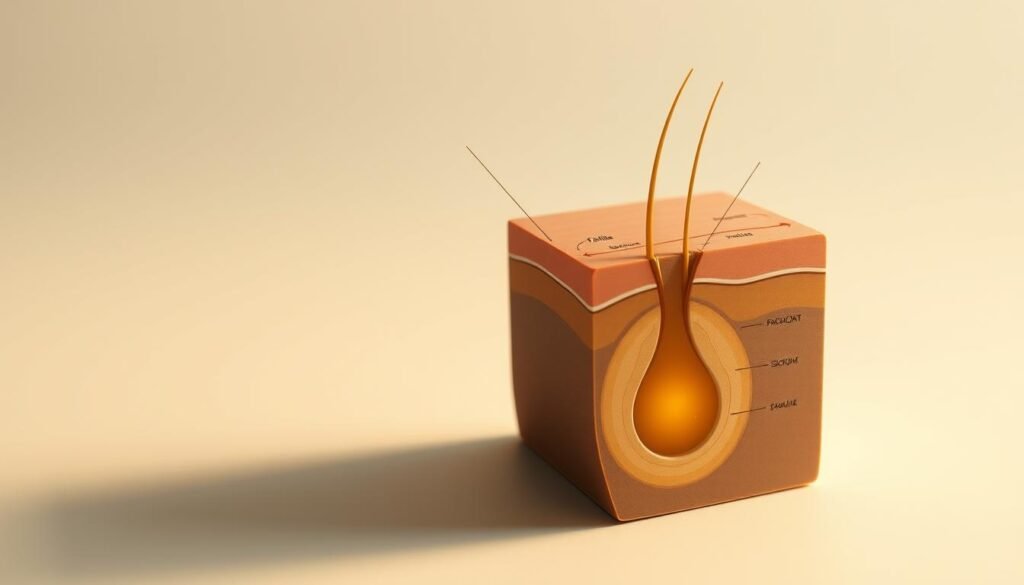
The hair growth cycle has four key stages: anagen, catagen, telogen, and exogen. Each stage is important for the hair’s health and thickness. Knowing these stages helps us understand how hair grows, falls out, and comes back.
A healthy hair cycle is key for keeping hair looking good and strong.
Phases of Hair Growth Explained
The anagen phase is the growth period lasting 2 to 8 years. During this time, about 85% to 90% of scalp hairs are growing. This phase is crucial for strong hair growth.
Next is the catagen phase, a short two-week phase where hair stops growing and leaves its blood supply. Only 1% to 3% of scalp hairs are in this phase.
The telogen phase is a 2 to 3-month rest period for hair. It ends with shedding 50 to 100 hairs daily. Things like telogen effluvium can increase shedding. Supporting hair growth with vitamins like D, C, iron, and zinc is beneficial, as shown in a 2018 study.
What Affects the Growth Cycle?
Several things can mess with hair growth. This includes genetics, hormones, and how you live your life. Male pattern baldness, for example, is caused by DHT, making hair thinner and shorter. Stress also affects hair, leading to issues like trichotillomania. Practices like yoga and meditation can help your hair health.
To keep your hair growing well, live a balanced life and take good care of your hair. For tips on boosting hair growth with natural ingredients, check out this site. Healthy hair cycles mean fuller, stronger, and healthier hair.
How Hormones Affect Hair Health
Hormones and hair health share a complex link, important for figuring out why hair loss happens. Hormonal imbalances can change hair growth cycles. This is mainly due to how androgens affect hair, leading to different hair loss types. It’s key to tackle these hormonal changes to keep hair health top-notch.
The Impact of Androgens
Androgens like testosterone and its derivative DHT play a big role in hair health. They affect hair follicle size and can make the growth cycle shorter. Androgenic alopecia causes gradual hair thinning in both men and women. In women, conditions like PCOS lead to too much androgen, causing issues like hirsutism and female hair loss. In fact, 75% of those with high androgen levels face hirsutism, with PCOS being a major cause in 70% of cases.
Hormonal Changes in Women
Women face many hormonal shifts during puberty, pregnancy, and menopause. These shifts can strongly alter hair-affecting hormones, causing conditions like alopecia areata and diffuse hair loss. For example, high stress levels can raise cortisol, linking to more hair loss, especially in women. It interrupts hair growth and can harm hair follicles. Grasping these changes is crucial for good hair care.
Balancing Hormones Naturally
Balancing hormones naturally for hair growth benefits overall health. Eating right helps maintain hormonal balance. Also, keeping stress low with meditation and exercise can limit cortisol levels, protecting hair health.
| Dietary Strategies | Benefits for Hormonal Balance |
|---|---|
| Omega-3 Fatty Acids | Reduce inflammation and support hair growth stability. |
| High-Fiber Foods | Help regulate insulin levels, positively influencing hormone balance. |
| Leafy Greens | Rich in vitamins that support overall hair health. |
| Quality Protein Sources | Provide essential amino acids for hair strength and growth. |
Psychological Effects of Hair Loss
Hair loss can deeply affect how people feel about themselves. It impacts up to 50% of men and women, causing emotional distress. Severe hair loss can make these psychological issues worse. People may feel anxious, embarrassed, or have low self-esteem. This is why it’s crucial to have support for those experiencing hair loss.
Building Self-Confidence Post-Hair Loss
Losing hair can shake someone’s self-image. It often ties to lower self-confidence, as people might feel less attractive. This can lead them to avoid social activities. But, there are ways to build self-confidence again. This includes positive thinking, being mindful, and having a supportive circle. Focusing on qualities beyond looks helps in feeling better about oneself.
Community Support Resources
Finding support from others who are also losing hair is important. Support groups and online forums offer a place to share and learn coping methods. It’s a way to talk about the emotional side of hair loss. This helps people not feel alone and supports their mental healing.
When to Consider Counseling
If hair loss causes long-lasting sadness or anxiety, it might be time to see a counselor. Studies show that hair loss can link to psychiatric issues. Getting professional help is key. It provides ways to handle the emotional effects of losing hair.
| Impact of Hair Loss on Psychological Well-Being | Associated Emotional Effects |
|---|---|
| Increased anxiety | Rejection fears in social situations |
| Decreased self-esteem | Negative body image perceptions |
| Social withdrawal | Avoidance of social interactions |
| Depression symptoms | Feelings of hopelessness |
| Career-related issues | Difficulties in work environments |
Real-Life Success Stories
Real-life success stories remind us that beating hair loss is achievable. People from all walks of life share their stories of overcoming hair thinning and loss. They talk about everything from eating better to trying new medical treatments.
Inspirational Hair Growth Journeys
A woman named Terri dealt with hair loss for 20 years. After trying a plan that included three PRP treatments a month apart, she saw improvements. Within three months, both her hairstylist and husband noticed new growth.
At the one-year mark, her husband could see a big change in how thick her hair was. Terri’s story shows us that regrowing hair is possible and can give others hope.
Testimonials of Effective Treatments
Terri’s experience shows how well PRP therapy worked for her. She also used supplements and topical treatments. Making healthy changes to her diet helped too.
This story proves that using a mix of treatments can really help bring back hair. The stories of people fixing their hair problems encourage us to not give up. They prove that finding the right treatment can make a big difference.
FAQ
What are the best products for receding hairlines?
How can I regrow my hairline naturally?
What lifestyle changes can help stimulate hairline growth?
Are there any effective treatments for hairline restoration?
How do hormonal changes affect hair growth?
What are some natural remedies for hairline growth?
When should I seek professional help for hair loss?
What non-invasive methods can improve the look of thinning hair?
How important is diet for hair restoration?
Source Links
- 12 Medical and At-Home Treatments for a Receding Hairline to Try in 2024
- Is Your Hair Thinning? Try These 9 Remedies
- Receding hairline: Treatment, stages, and causes
- Receding Hairline: Stages, Causes, and Treatments
- What Is A Receding Hairline? Stages, Causes & Prevention
- The best home remedies for hair growth
- 10 Tips to Naturally Regrow Your Hair in 2024
- Home Remedies for Hair Growth: Natural Solutions for Healthy Hair
- Diet and hair loss: effects of nutrient deficiency and supplement use
- Best Foods for Hair Growth: What to Eat, Drink & Avoid
- Does Diet Affect Hair Loss? – Natural Transplants
- Medication for Hair Loss
- Receding Hairline: Causes and Treatment
- Hair Transplant Procedures: Average Cost, What to Expect, and More
- Hair Replacement Surgery
- How To Make Your Hair Grow Faster: Tips for Healthy Growth
- How to Maintain Hair Growth After 50
- Hairline Restoration: What You Can Do Now
- HAIR LOSS AT THE HAIR LINE (Part 2) – How To Prevent and Re-grow Receeding Hair Lines
- Wimpole Hair Transplant Clinic
- Hair Loss and Thinning Hair Treatment Options
- Yes, You Can *Actually* Treat Your Receding Hairline—Here’s How
- Stages of Hair Growth Plus How to Maintain Hair Health in Every Stage
- Understanding the 3 Stages of Hair Growth | Hair Doctors
- Integrative and Mechanistic Approach to the Hair Growth Cycle and Hair Loss
- Effects of Hormones and Endocrine Disorders on Hair Growth
- The Link Between Hormonal Imbalance and Hair Loss
- Hormonal Effects on Hair Follicles
- Psychological effects of hair loss
- Psychology of Hair Loss Patients and Importance of Counseling
- The psychological consequences of androgenetic alopecia: A systematic review
- After 20 Years of Thinning Hair, One Woman Found Help in Wellesley [Sponsor Content]
- My Hair Loss and Regrowth Story: Favorite Products for Thinning Hair — Meredith Hudkins
- How I Regrew My Hair Naturally | 5 Years with Before & After Pics – Hairguard