Ever wondered about the real source of your hair’s health? You might be surprised to learn that 99% of your hair’s strength and nourishment comes from the scalp. This shows why it’s key to focus on stimulating hair follicles for thicker, healthier hair growth. By using the right techniques, you can wake up sleeping follicles and encourage new hair to grow. This includes proper scalp care, eating well, and taking good care of your hair. So, uncover the top hair follicle stimulators and learn how to use them to change your hair game.
Key Takeaways
- 99% of hair nourishment comes from the scalp.
- 89% of women experienced thicker hair after using Dove Fullness Restore Scalp Serum.
- Peptide therapy can help stimulate hair follicle growth.
- Customized treatments can cater to individual hair restoration needs.
- Effective scalp care is crucial for hair health.
- Ongoing feedback is essential in optimizing hair treatment plans.
Understanding Hair Follicles and Their Function
Hair follicles are crucial for hair growth. They greatly affect the health of one’s scalp. Think of each follicle as a small factory. Here, different biological processes come together to make and maintain hair. With around 100,000 hair follicles on the scalp, knowing how they work is key for anyone looking to improve their importance of hair growth.
What Are Hair Follicles?
Hair follicles are tiny, complex structures within the skin. They create individual hair strands, with each one hosting a hair bulb at its base. These follicles also bring nutrients to the hair through blood vessels. This keeps the hair healthy and growing. At any moment, about 85% to 95% of hair follicles are in the anagen or growth phase.
The Role of Hair Follicles in Hair Growth
The hair growth cycle has three main stages: anagen, catagen, and telogen. Anagen is the growth stage, lasting 3 to 7 years, with follicles very active. Catagen is a short phase where the follicle shrinks. Then, the telogen phase is a 3 to 4-month rest period. It’s normal to lose 100 to 200 hairs a day. Understanding these stages underlines the importance of hair growth and the health of hair follicles.
It’s crucial to feed hair follicles the right nutrients for hair to grow. Nutrition and hair care can impact follicle health. Solving these can help restart inactive follicles. For tips on boosting healthy hair, check out natural remedies that aid hair growth.
Common Causes of Hair Follicle Damage
Knowing why hair follicles get damaged is key to keeping hair healthy. Many things, like genes, the environment, and how we care for our hair, play a role. Knowing these causes can help us find good solutions and create a hair care routine that works best.
Genetic Factors Influencing Hair Loss
Genes are a big deal when it comes to losing hair. Conditions like androgenetic alopecia are common and inherited. This condition is tied to the hormone DHT, which can make hair thin and damage follicles. Understanding our genes can help us deal with hair loss better.
Environmental Factors Affecting Follicles
Pollution and too much sun can also harm our hair. These can make hair weak and damage the follicles over time. We can protect our hair by wearing hats or using good hair products. This can help keep our hair strong.
The Impact of Hair Care Practices
Bad hair care habits can hurt our follicles. Things like harsh chemicals, heat styling, or washing our hair wrong can make things worse. Using gentle care and natural remedies can help reduce damage. They can also keep our scalp moist. For info on helpful herbs, check this link.
Benefits of Stimulation for Hair Health
Stimulating hair follicles is key for healthier hair. It boosts blood flow and brings more nutrients to the follicles. This makes a better environment for hair to grow.
Improved Blood Circulation to the Scalp
When you stimulate hair follicles, the scalp gets more blood. This means more nutrients and oxygen for the hair bulbs. This leads to healthier hair growth. A study in 2020 showed that scalp massages help those with hair loss from chemotherapy.
Enhanced Nutrient Supply to Hair Follicles
Getting the right nutrients is crucial for hair health. If you don’t get enough zinc, iron, or biotin, you could lose hair. Scalp massages can help make sure your hair gets what it needs. A 2016 study found that scalp massages made hair thicker in just 24 weeks.
| Study Year | Participants | Findings |
|---|---|---|
| 2020 | Women with chemotherapy-induced alopecia | Significant improvement in hair regrowth with scalp massages. |
| 2016 | 9 healthy men | Thicker hair observed after 24 weeks of daily scalp massages. |
| 2019 | 340 participants | 69% reported improvement in their alopecia with twice-daily massages. |
Natural Methods to Stimulate Hair Follicles
Looking into natural ways to boost hair follicle activity can be a good alternative to traditional options. Using essential oils, giving scalp massages, and trying out herbal remedies can all help hair grow and stay healthy. These methods are great tools for anyone wanting to make their hair care routine better.
Essential Oils: Nature’s Solution
Essential oils, like rosemary and castor oil, are popular for hair growth because of their benefits. Research shows rosemary oil might work as well as minoxidil against hair loss. Castor oil, full of ricinoleic acid, feeds the scalp and encourages hair follicles. Adding these oils into your daily hair care can make a big difference in hair health.
Scalp Massages: Techniques and Tips
Scalp massages are great for promoting hair growth. They boost blood flow to the follicles, bringing in more nutrients. A study in 2019 showed that massaging your scalp for four minutes every day improved hair thickness. Using your fingertips to make circular movements or a gentle kneading can help you get the most out of massages.
Herbal Remedies Worth Trying
Alongside essential oils, certain herbs can make your hair healthier. Herbs like peppermint and hibiscus are known to be good for the hair follicles. Peppermint oil boosts blood circulation and has a cooling effect, which might kickstart follicle activity. Using these herbal solutions can make your hair care routine more complete and refreshing.
| Method | Description | Key Benefits |
|---|---|---|
| Essential Oils | Natural extracts from plants used to nourish hair. | Promotes hair growth, improves scalp health. |
| Scalp Massages | Techniques to stimulate the scalp through touch. | Increases blood flow, enhances nutrient absorption. |
| Herbal Remedies | Use of plants like peppermint and hibiscus. | Strengthens follicles, encourages healthy hair. |
The Role of Diet in Hair Health
A healthy diet is key for strong and lively hair. It helps wake up the hair follicles. By eating the right stuff, your hair gets all the good vitamins it needs. This keeps it strong and looking great.
Nutrients Essential for Follicle Stimulation
- Protein: It’s what hair is made of. Eating enough protein is a must for healthy hair.
- Iron: Iron helps carry oxygen in the blood. Not having enough can cause hair loss, especially in women.
- Zinc: Zinc keeps the scalp healthy. Adding zinc to your diet may help if you’re losing hair.
- Biotin: A B-vitamin that’s super important for hair. Not getting enough can lead to hair thinning.
- Omega-3 Fatty Acids: These are in fish and flaxseeds. They make your hair shiny and strong.
- Vitamins A and C: These vitamins help your scalp stay healthy. Vitamin A keeps hair moisturized, and vitamin C helps build hair’s structure.
- Vitamin D: If you don’t get enough, your hair might start to thin. It’s a key vitamin for healthy hair.
Foods to Incorporate for Healthier Hair
For better hair health, it’s good to eat various nutrient-rich foods. Here’s a list that shows some great options:
| Food | Key Nutrients |
|---|---|
| Fatty Fish (Salmon, Mackerel) | Omega-3 Fatty Acids, Protein, Vitamin D |
| Spinach | Iron, Vitamin A, Vitamin C |
| Sweet Potatoes | Vitamin A, Carbohydrates |
| Nuts (Walnuts, Almonds) | Biotin, Vitamin E, Omega-3 Fatty Acids |
| Eggs | Protein, Biotin |
| Legumes (Lentils, Chickpeas) | Iron, Protein, Biotin |
| Bell Peppers | Vitamin C, Antioxidants |
Effective Hair Products for Follicle Stimulation
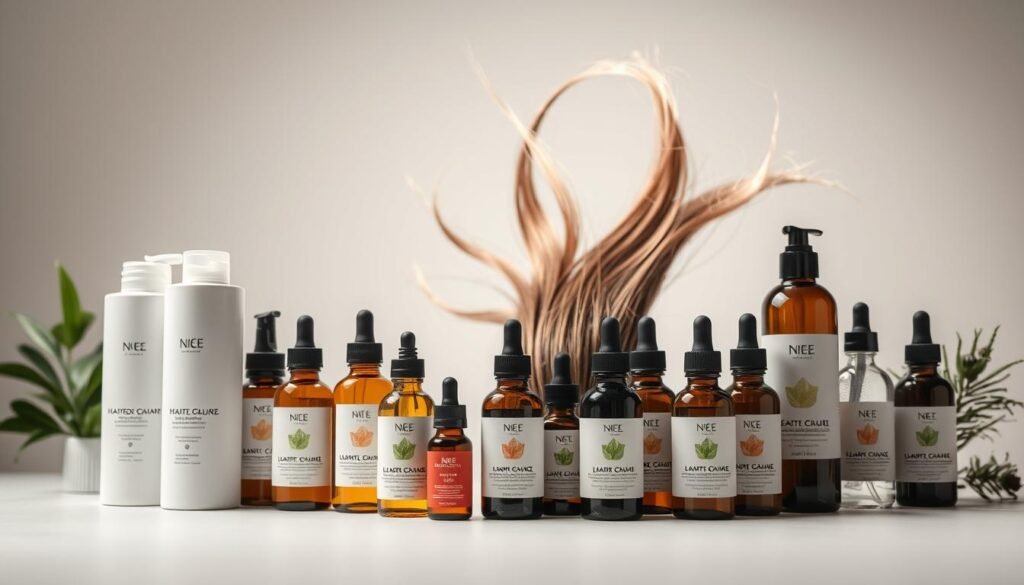
Looking for top hair products to boost follicle growth is key for enhancing hair growth. Good shampoos and conditioners build a healthy scalp foundation. Meanwhile, specific serums and oils provide focused follicle support. With the right care, your hair can get healthier over time.
Shampoos and Conditioners with Active Ingredients
Using shampoos and conditioners with active ingredients is beneficial. Niacinamide and peptides moisturize and nourish the scalp. Nioxin’s System Kit, for instance, shows improvements in 30 days if used regularly. These products boost blood flow, aiding in follicle rejuvenation.
Serums and Oils Designed for Growth
Daily use of hair growth serums helps too. Plant Therapy’s Rosemary & Castor Hair Oil, for example, is as effective as 2.5% Minoxidil. Redensyl matches Minoxidil’s results but without irritation. Mielle Organics’ Strengthening Oil has a high rating for a reason. Serums loaded with caffeine also protect against hormone-related damage, ensuring healthier growth.
Professional Treatments Available
Many people losing their hair find hope in different professional treatments. These methods help by waking up hair follicles and encouraging them to grow hair again. Among these, Minoxidil, PRP therapy, and low-level laser therapy (LLLT) are favored for their new ways to fight hair loss.
Minoxidil: What You Need to Know
Minoxidil, known as Rogaine®, is a top choice for treating hair loss. It’s approved by the FDA and can be bought without a prescription, working for both genders. After using it daily for four to six months, about 60% of men and 40% of women see hair growth.
But, to keep the new hair, you must continue using it. If you stop, you might lose the hair again.
Platelet-Rich Plasma (PRP) Therapy Explained
PRP therapy uses your blood to help your hair grow back. The process includes taking some blood, enriching it with platelets, and then injecting it into your scalp. Studies show that this can improve hair growth by 30-40%.
PRP not only helps heal but also makes hair follicles healthier. It’s an attractive choice for people looking for natural treatments.
Low-Level Laser Therapy (LLLT)
Low-Level Laser Therapy is a non-invasive way to tackle hereditary hair loss. Approved by the FDA, it uses light to boost blood flow and wake up hair follicles. Research has pointed to a 70% jump in hair density after 16 weeks.
Though it shows promise, most will need more than one session for the best outcomes.
Lifestyle Changes to Support Hair Growth
Making changes in your lifestyle can greatly boost hair growth and overall health. Focus on managing stress and getting regular exercise. Both help improve hair health in many ways.
Stress Management Techniques
Managing stress is key for healthy hair. High stress can mess with hair growth and cause more hair to fall out. Yoga, meditation, or deep breathing can lower stress. These methods are good for your mood and stop hormonal issues harmful to hair growth.
The Importance of Regular Exercise
Regular exercise is good for your hair. It boosts blood flow, bringing nutrients and oxygen to your scalp. This kick-starts hair follicles, helping hair grow. Combining exercise with a protein-heavy diet boosts keratin, making hair strong.
Besides circulation, exercise keeps hormones in check. This is vital for hair to grow well.

For more on natural remedies and holistic hair care, you can find in-depth info here.
Myths and Misconceptions About Hair Follicles
Lots of people believe in hair loss myths that confuse them about hair health. These false ideas about hair follicles lead to bad habits for handling hair loss and growing healthy hair. Knowing the truth helps people use the right ways to care for their hair follicles.
Debunking Common Hair Loss Myths
Many think cutting hair often makes it grow faster. But hair grows from the roots, so cutting doesn’t change its growth speed. Getting your hair trimmed every four to six weeks makes it look better by getting rid of split ends. This doesn’t make it grow faster though.
Some believe washing hair too much causes it to fall out. It’s normal to lose some hair when you wash it. Knowing hair shedding is part of hair growth can ease your mind.
Many feel stress can make hair gray. Really, graying comes from genetics and getting older, not stress. Knowing the truth about these misconceptions about hair follicles lets people focus on what keeps hair healthy.
Understanding Hair Growth Cycles
Hair grows in stages: anagen (growth), catagen (transition), and telogen (resting). These stages vary for everyone, so patience is key in hair care. Knowing about these cycles helps understand hair loss and make smart hair care choices.
Things like hormones and what you eat affect these cycles. Eating protein foods like eggs and fish is good for hair because they have keratin. Also, getting enough biotin and vitamin D keeps hair strong.
For better hair care advice, looking into good products is a smart move. Things like dietary aids and special shampoos improve hair health by feeding and waking up the follicles.
Signs Your Hair Follicles Need Attention
Spotting early signs of hair trouble can greatly help keep your hair healthy. Increased hair falling out or seeing more of your scalp might mean your hair is getting thinner. Noticing these signs early lets you act fast to stop hair loss.
Recognizing Early Signs of Thinning Hair
It’s important to watch for hair loss signs. Some early warning signs are:
- More hair coming out when you brush or wash it.
- Your hair looks thinner, especially on top of your head or at the sides.
- Seeing bald spots or where hair isn’t as thick.
- Your hair feels dry and breaks easily.
Seeing these signs means you might need to act quickly. Acting early can help stop more hair loss. It can also help wake up sleeping hair roots before things get worse.
When to Seek Professional Advice
Getting help from a hair expert is crucial for solving hair problems. You should get professional advice if:
- Your hair changes a lot suddenly in how thick it is or how it feels.
- You’re losing more than the average 100 hairs a day.
- You think your hair loss might be because of hormone issues or not eating right.
- Trying things at home isn’t really working.
Talking with hair doctors like trichologists or dermatologists can lead to better help. They give personalized advice that often works better than treating it on your own.
Building a Personalized Hair Care Routine
It’s super important to have a hair care plan that’s just for you. This plan depends on whether you have fine, thick, oily, dry, or normal hair. Knowing what your hair is like means you can pick the right products and figure out how often to use them. With this approach, you can help your hair grow strong and stay healthy.
Assessing Individual Needs for Healthy Hair
Figuring out your hair type is the first step to getting awesome hair. If your hair is fine, you might need to wash it more often and use gentle products. For medium hair, you have more options to play around with. And if your hair is coarse, focus on keeping it moisturized. People with dandruff might benefit from shampoos with tea tree oil to calm their scalp.
Tips for Consistent Follicle Stimulation
Sticking to your hair care routine is key. Getting regular trims helps avoid split ends. Deep conditioners are great for adding moisture. Eating foods high in vitamins, minerals, and omega-3s helps your hair grow. Scalp massages improve blood flow, bringing more nutrients to your hair roots. By doing all these things, you can make a hair care plan that suits your needs and keeps your hair healthy for a long time.
FAQ
What are some effective natural ways to stimulate hair follicles?
How can diet influence hair growth and follicle health?
Are there professional treatments available for stimulating hair growth?
What role do scalp massages play in hair follicle stimulation?
How can stress impact hair follicle health?
What are the signs that hair follicles may need attention?
What common myths exist regarding hair growth and follicle stimulation?
What types of hair products can help stimulate hair follicles?
Source Links
- Unlock Hair’s Potential with New Dove Scalp + Hair Therapy Collection | Unilever
- Peptide Therapy for Hair Loss: Unlock Your Hair’s Potential #PeptideTherapy #HairRegrowth #HairLossSolution
- Physiology, Hair – StatPearls – NCBI Bookshelf
- Hair Follicle: Function, Anatomy, and Conditions
- Anatomy, Hair Follicle – StatPearls
- What Are Damaged Hair Follicles and How Do You Fix Them?
- Folliculitis-Folliculitis – Symptoms & causes – Mayo Clinic
- Scalp Massage for Hair Growth: Does It Really Work?
- Standardized Scalp Massage Results in Increased Hair Thickness by Inducing Stretching Forces to Dermal Papilla Cells in the Subcutaneous Tissue
- 10 Tips to Naturally Regrow Your Hair in 2024
- How to Stimulate My Hair Follicles for Better Hair Growth? – New Jersey Hair Restoration Center
- Modulation of Hair Growth Promoting Effect by Natural Products
- Diet and hair loss: effects of nutrient deficiency and supplement use
- “Let Food be Thy Medicine”: Value of Nutritional Treatment for Hair Loss
- The Role of Diet in Hair Health – San Mateo Hair Salon | Haircut and Color | L Salon and Color Group
- Struggling with hair loss? Experts say you should look for these ingredients
- Is Your Hair Thinning? These 3 Editor-Tested Hair Growth Serums Delivered Impressive Results
- Hair loss – Diagnosis and treatment
- Hair Loss and Thinning Hair Treatment Options
- Best Foods for Hair Growth: What to Eat, Drink & Avoid
- Lifestyle Factors and Hair Health: Tips to Prevent Hair Loss
- Influence of Nutrition, Food Supplements and Lifestyle in Hair Disorders
- Myths and Facts About Hair Growth – Common Misconceptions
- The 5 biggest hair myths | CNN
- The Anatomy of Hair Follicles: Understanding the Basics – Northwest Hair Restoration
- Signs of Inactive Hair Follicles: What You Need to Know – Vaughan’s Holistic Hair Clinic & Wellness Spa
- The Ultimate Guide to Building Your Personalized Daily Hair Care Routine
- Crafting Your Ideal Hair Care Routine: Personalized Tips for Healthy L