Did you know most babies lose hair by three months old? This is noted by experts, including those at the American Academy of Pediatrics. This type of hair loss, known as acute telogen effluvium, can surprise and worry parents. Seeing their baby’s hair change can make parents question what’s normal and when to worry.
Learning that this hair loss is common can ease parents’ worries. It may start as early as two months. It happens because of hormonal shifts after birth and affects the baby’s soft hair. This finer hair will later be replaced by thicker hair. While bald spots might appear, especially from laying in cribs, most children’s hair grows back by their first birthday. Knowing about normal hair loss helps parents understand when a doctor’s visit is needed.
Key Takeaways
- 3 month baby hair loss is a common occurrence for many infants.
- Normal infant hair shedding peaks around three months and resolves within a year.
- Hormonal changes after childbirth significantly impact a baby’s hair growth and loss.
- Parents should observe for any signs of excessive shedding that lasts beyond six months.
- Safe hair care practices can alleviate potential concerns related to traction alopecia.
- Bald patches from rubbing against mattresses are typically harmless and normal.
Understanding Baby Hair Loss
New parents need to learn about baby hair loss. Most infants lose hair after birth. This usually starts from 8 to 12 weeks of age and lasts until the baby is six months old.
Many things cause this hair loss. Pregnancy hormones play a big role. These hormones can lead to telogen effluvium, which causes shedding. Hair often grows back when hormone levels even out, usually within six months to a year.
Other reasons include rubbing against crib mattresses or car seats. Tight hairstyles might also break hair, creating temporary bald spots. This hair loss is harmless and goes away once you stop what’s causing it.
Parents might notice changes in their baby’s hair texture and color. It’s normal for a baby’s hair to change several times in the first years. These changes include moving from thin, soft hair to thicker, permanent strands.
If hair loss seems too much, see a healthcare provider. A healthy diet is key for the baby’s hair to grow well. For more on hair loss after birth, visit this site.
3 Month Baby Hair Loss: What to Expect
Understanding infant hair loss at three months is crucial for new parents. It often leads to widespread thinning or patchy spots. This hair loss, known as alopecia, is common within the first six months. Knowing about the timing and patterns can be comforting. It shows that this is a normal part of hair growth.
Typical Hair Loss Patterns
Parents might notice two main types of hair loss at this stage:
- Widespread thinning, which is quite common.
- Patchy loss, mainly in areas where there’s lots of rubbing and friction.
Expect most infants to lose some, if not all, of their hair during these months. It’s a normal phase. Hair loss happens for various reasons, including hormonal shifts and the way a baby sleeps.
The Timeline of Hair Loss and Regrowth
Usually, hair shedding peaks around the three-month mark. Then, regrowth starts between six to twelve months. During this period, gentle care is key. Hair often comes back, sometimes with a different texture or color. Encouraging regrowth can be done through practices like tummy time. This reduces friction from lying down.
Causes of Infant Hair Shedding
Parents might find it useful to know why infants lose hair. Many things cause this, like changes in hormones after the baby is born. Also, how much the baby’s head rubs against things and how they sleep can make them lose hair, especially on the back of their head. Sometimes, babies might lose hair because of ringworm, which is less common.
Hormonal Changes After Birth
After birth, babies go through hormone changes. This can make them lose hair in the first months. The hair goes into a resting phase, which causes the loss. Usually, this starts when the baby is about 8 to 12 weeks old. But, it gets better when their hormone levels get normal again.
Friction and Sleeping Positions
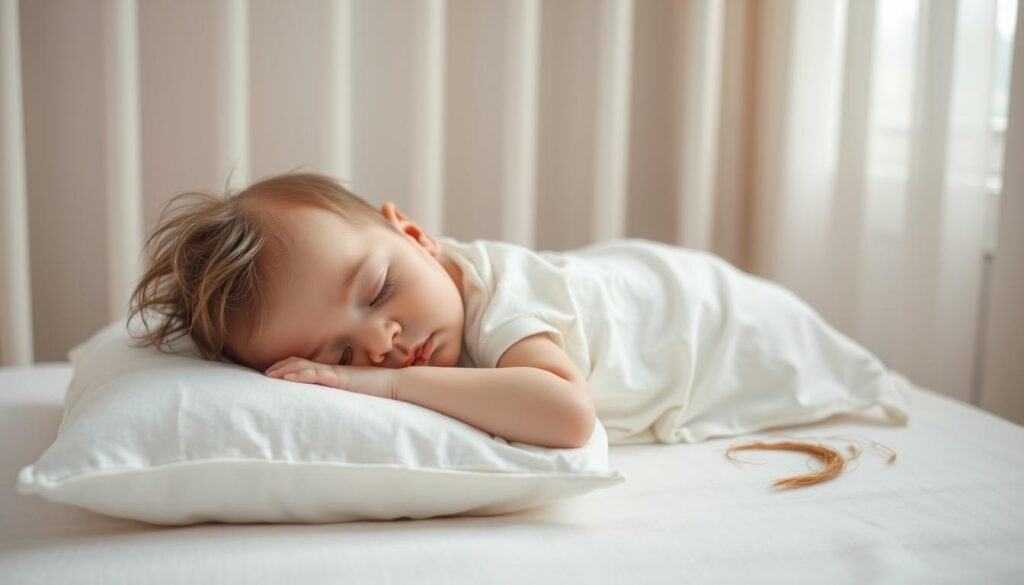
Sleeping a lot on firm places can cause babies to lose hair. This is because of the friction and how they lay. You might notice bald spots, mostly at the back of their heads. It is known as neonatal occipital alopecia (NOA). About 20.2% of babies have this issue, especially if they were born after 37 weeks.
Less Common Causes Like Ringworm
Other than hormonal shifts and rubbing, ringworm can also make babies lose hair. This fungal infection leads to patchy hair loss. If you see your baby losing hair in odd patterns, talk to a doctor. It might be a sign of something that needs medical attention.
| Cause | Details |
|---|---|
| Hormonal Changes | Natural shedding due to hormonal shifts after birth. |
| Friction and Sleeping Positions | Localized hair thinning from contact with surfaces, often at the back of the head. |
| Ringworm | Fungal infection that can cause patchy hair loss. |
Is Hair Loss in Newborns Normal?
Many new parents worry when their baby starts losing hair. Most babies are born with little to no hair. By the time they are two to three months old, hair loss can occur. This is a normal part of growing up for babies.
The Phases of Hair Growth
There are different stages in a baby’s hair growth. The exogen phase is one where old hair sheds to allow new hair to come in. Many babies will lose some hair during this time. It’s known as telogen effluvium and happens mainly between two and three months.
After shedding, babies’ hair starts to grow back. It becomes thicker by their first birthday. But, some might not see a big change for a bit longer than that.
Differences in Hair Texture and Color
Babies’ hair can change a lot after it first grows in. The new hair might look very different from what they were born with. Parents might be surprised by these changes in color and texture. Yet, it’s perfectly normal.
It’s important to be gentle when taking care of a baby’s hair. Too much brushing can harm their delicate hair. This can lead to breakage.
Identifying Concerns: When to Worry About Baby Hair Thinning
It’s crucial for parents to know when to worry about baby hair thinning. While it’s normal for babies to shed some hair, some signs need more attention. Spotting these signs early can protect an infant’s health and well-being if they are losing hair.
Signs That Require Medical Attention
Parents need to watch for signs of hair loss that need medical attention. They should seek a doctor’s advice if they notice:
- Redness on the scalp accompanied by swollen areas.
- Presence of scabs on the scalp.
- Significant hair loss occurring rapidly or in patches.
- A child experiencing an itchy or painful scalp.
- Loss of eyebrows or eyelashes alongside scalp hair loss.
- New or unusual hair loss after an illness or starting new medications.
- Hair loss linked to visible injuries or burns on the scalp.
Understanding Alopecia Areata in Infants
Alopecia areata in infants is an autoimmune condition that causes patchy hair loss. It’s rare but significant due to its effect on the child and family. This condition happens when the immune system mistakenly targets hair follicles, leading to thinning hair and bald spots. Since alopecia areata might come with other hair loss reasons, seeing a doctor is key.
Getting help early can greatly help children with this condition, or any hair loss. Knowing about baby hair thinning concerns and teaming up with doctors ensures the right treatment and support.
Remedies for Baby Hair Loss
Managing baby hair loss needs a soft touch. Parents should use gentle hair care that avoids irritation and helps hair grow. These methods nurture a healthy scalp and aid in natural hair growth.
Gentle Hair Care Practices
Gentle care is vital for baby hair. Here are some key steps to take:
- Use tear-free baby shampoo every 2 to 3 days to keep the scalp clean and reduce cradle cap.
- Add conditioner after washing to strengthen hair and stop breakage.
- Combing or massaging the scalp gently can help with blood flow and hair growth.
- Applying extra-virgin coconut oil a few times a week nourishes and encourages hair growth.
- A balanced diet with essential vitamins and minerals supports healthy hair growth.
Recognizing and Preventing Traction Alopecia
Traction alopecia happens when baby hair is styled too tightly. It’s important to prevent this to keep hair follicles healthy. Here are ways to avoid tension:
- Avoid tight hairstyles like ponytails or braids that stress the baby’s hair.
- Use a soft silk headband for comfort without pulling the hair.
- Regular haircuts can prevent uneven growth and patchy spots.
- Tummy time and changing the baby’s sleeping position reduce friction and promote even hair growth.
- Choose silk accessories and bedding to cut down hair loss from friction.

To tackle baby hair loss, use these gentle care tips and watch for tension signs. With these steps, you can help your baby’s hair stay healthy and grow nicely.
How to Prevent Hair Loss in Babies
To keep a baby’s hair from falling out, do a few key things. Encourage movement and handle their hair with care. This helps babies grow strong hair and stay cozy.
Encouraging Developmental Activities
Activities that help babies grow are vital. Tummy time and sitting up make neck and shoulders strong. This also cuts down on bald spots.
Change where your baby’s head rests when sleeping. It reduces the chance of bald patches developing.
Safe Hair Care Tips for Infants
Safe hair care practices are essential for healthy hair. Here are some tips:
- Wash your baby’s hair 2-3 times a week using an unscented baby shampoo.
- Avoid tight hairstyles to prevent traction alopecia.
- Brush the baby’s hair gently with a soft-bristle brush to stimulate blood flow to the hair follicles.
- Apply coconut oil to the baby’s scalp to encourage hair growth.
- Utilize silk fabrics for sleeping to reduce friction on the hair.
These strategies make managing your baby’s hair care easy. To learn more, see this guide on preventing hair loss in.
Expectations for Baby Hair Growth Cycles
Watching a baby’s hair grow is a journey full of surprises. At first, babies often lose some hair. This may worry parents. Knowing about expectations for baby hair growth cycles can help lessen these concerns. Hair usually starts to grow back when infants are around six months old. Parents then notice the hair getting thicker and changing texture.
Baby hair grows in three stages: anagen, catagen, and telogen. During the anagen phase, hair grows about 1 cm each month. This phase can last up to six years. The catagen phase is short, lasting about ten to twelve days. After that, there’s a three-month telogen phase. During telogen, about 10 to 15 percent of hairs are resting.
After shedding some hair, babies’ hair may come in different textures and colors. This change from six months to two years is normal. It’s shaped by genetics, health, and hair care habits. Parents have a role in caring for their child’s hair to keep it healthy. For deeper insights, look at this resource for more information.
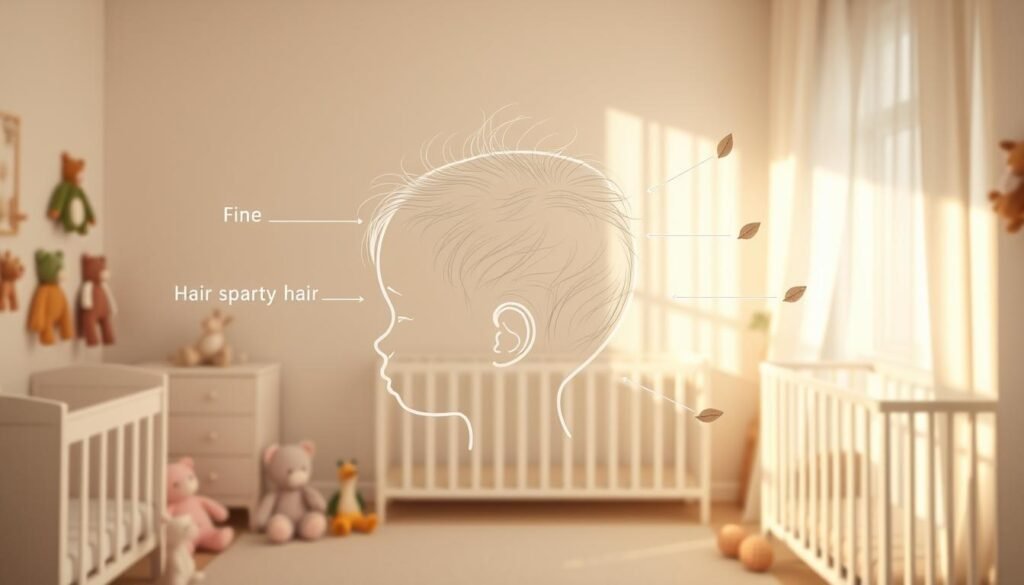
Eventually, many children grow a full head of hair in various textures. When they reach their teen years, hormones might affect how their hair grows. By understanding these growth stages, parents can better support their child. They can help them through every hair growth phase effectively.
| Growth Phase | Duration | Description |
|---|---|---|
| Anagen | 2-6 years | Active growth phase where hair grows about 1 cm per month. |
| Catagen | 10-12 days | Transitional phase where hair growth stops. |
| Telogen | 3 months | Resting phase where hair sheds, making up to 15% of total hair at any time. |
Monitoring your Baby’s Hair Loss
It’s vital to watch over your baby’s hair loss closely. This helps in understanding their hair health. It also spots any worrying trends. Parents should keep an eye on their child’s hair growth and notice big changes. Doing so helps them be ready to talk to doctors if needed.
Keeping a simple chart of hair changes can help. Parents might track growth, loss, or odd conditions daily or weekly. Things to keep tabs on include:
- Frequency of hair shedding
- Patterns of bald spots
- Changes in hair texture or thickness
- Duration of hair loss episodes
Keeping such records offers insights into the hair’s life cycle. It can also pinpoint issues like alopecia areata. This condition happens when the body’s defense system attacks hair roots by mistake. Spotting these signs early can lead to quick doctor visits.
Patience and careful observation are key for parents. Hair regrowth takes time and varies from one baby to another. Good monitoring helps ensure babies grow healthy hair. This supports their overall growth and boosts their self-esteem.
Conclusion
Baby hair loss is common and usually part of a baby’s growth. It often happens around three months. Then, new hair starts to grow. This shows why understanding infant hair loss is important for parents.
It’s rare, but some hair loss can mean a health issue. Knowing when to get help is key. Conditions like tinea capitis and alopecia areata are uncommon but need attention. Sites like HairMD can offer help and information.
Watching how your child’s hair grows and asking experts for advice is a good idea. Parents can help their kids have healthy hair by paying attention and caring for it well. This can make dealing with hair loss easier for both.